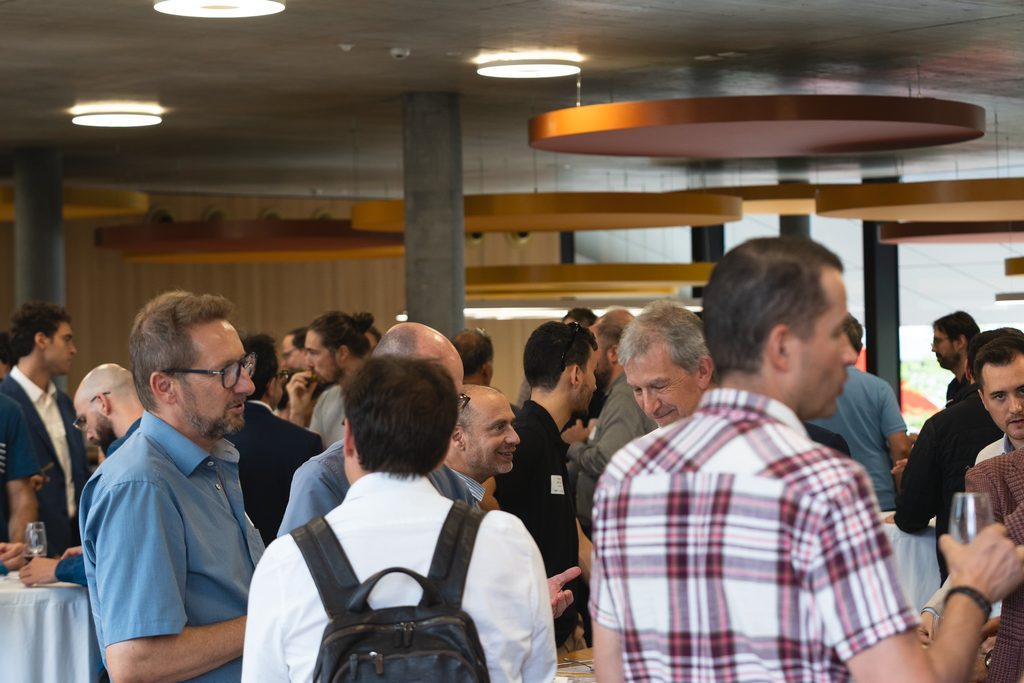
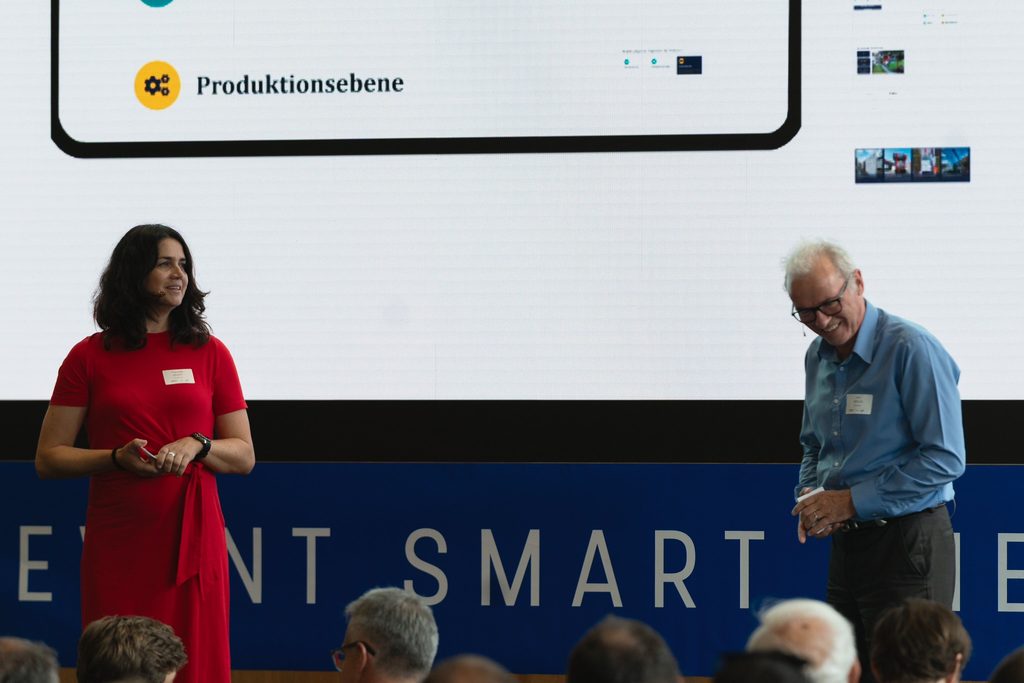
How can we manage power grids to make them more robust, more reliable, and easier to understand? This was one of the key questions addressed at the 16th annual Event Smart Energy, held on August 27 and 28 at the Energypolis Campus in Sion. About ten experts in the field shared their experiences. Artificial intelligence (AI) was, of course, at the heart of the discussions, as an indispensable tool for managing energy production and consumption. In particular, it will be used to aggregate data from thousands of small energy-generating facilities across the country.
EPFL Professor Christophe Ballif opened the Smart Energy Event with a keynote address in which he offered a decidedly optimistic assessment of the global energy transition. In Switzerland, he noted a decline in solar panel installations, linked to prevailing uncertainties surrounding feed-in tariffs. “We must keep in mind that we’re doing this to save the world, not to make a profit,” he noted.
He also points to very real technical challenges, particularly those related to the high penetration of solar power into the grid. “There is a real risk of overproduction at midday, as well as cybersecurity issues. The technical risk increases if we are unable to properly control this production.” Better coordination among grid stakeholders is therefore essential. “There are about 600 distribution system operators in Switzerland, which makes the situation quite complicated to manage.” In his view, the future lies in a more flexible system capable of absorbing excess generation.
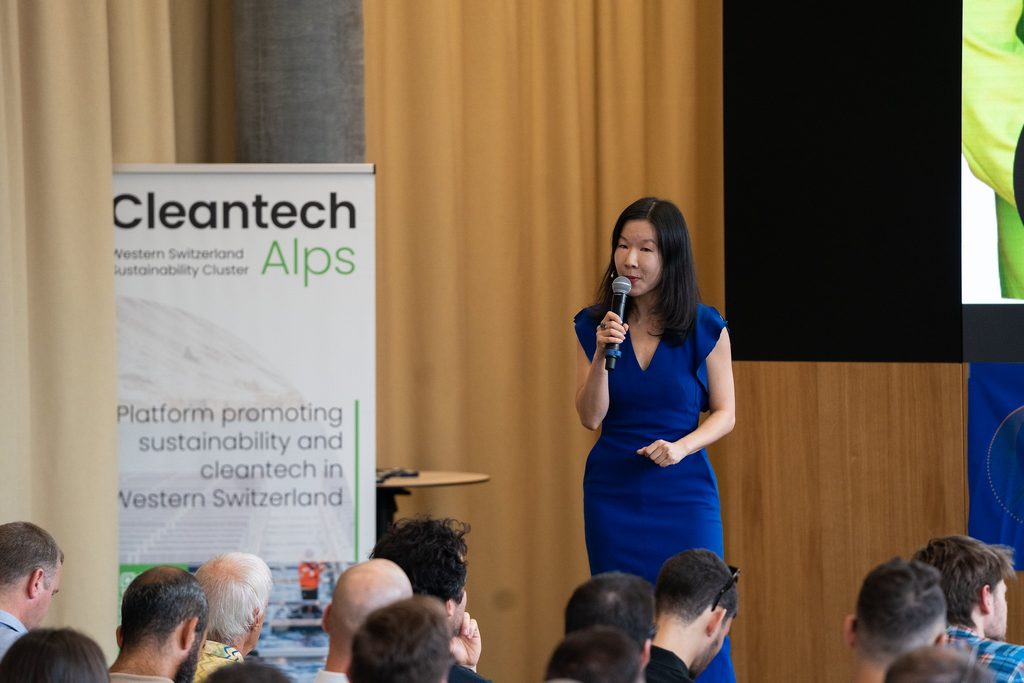
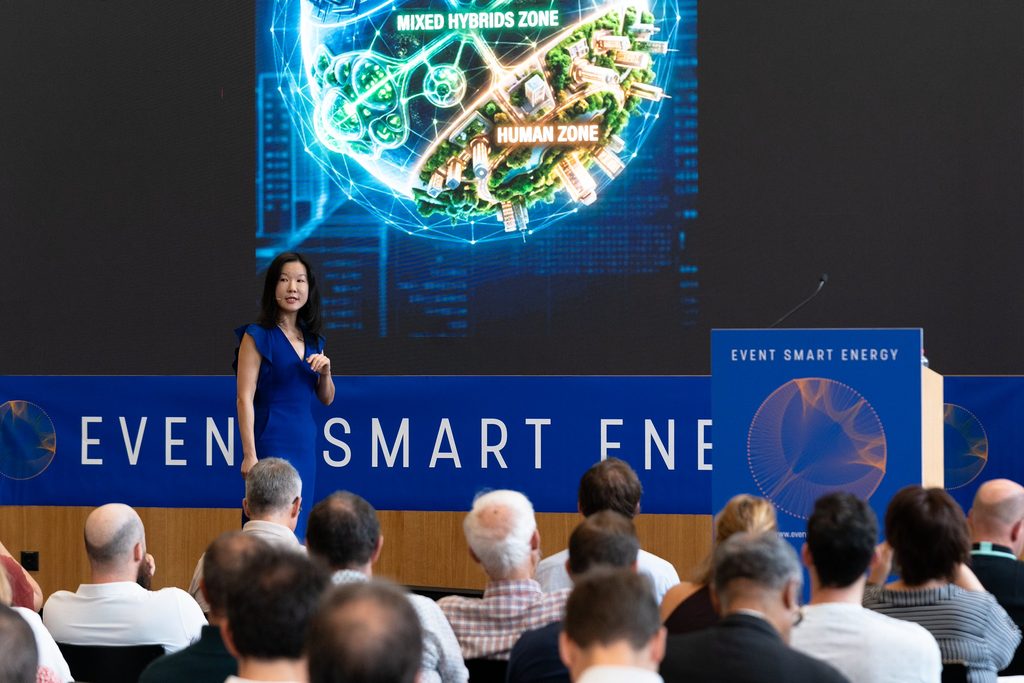
On Friday morning, Katrin J. Yuan demonstrated that artificial intelligence has a double-edged relationship with energy. It can either drive up the global electricity bill or help lower it. “It’s not AI versus energy. AI is an amplifier—of the problem or the solution—depending on how we govern it,” she summarized, before emphasizing that the future of energy will not be decided in the realm of technology, but rather in that of governance, transparency, and international cooperation.
Who is really in control of cloud-based systems?
Marc Sommer, head of the Energy unit at Softcom, has warned distribution system operators about a blind spot: the proliferation of decentralized equipment—solar panels, batteries, charging stations, and heat pumps—is accompanied by apps and cloud services that allow users to control their systems remotely, without the operators’ consent. This diversity of suppliers is only apparent. “One hundred suppliers do not mean one hundred independent failure paths if their commands ultimately pass through the same three or four gateways.”
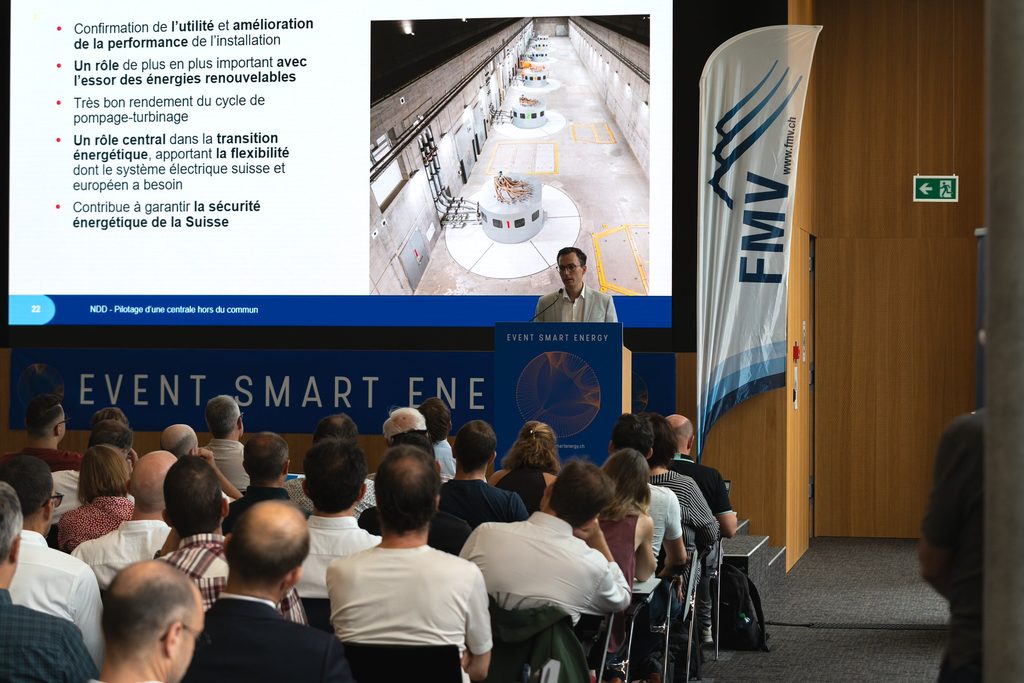
The rest of the morning was devoted to a presentation on the day-to-day operations of Nant de Drance, one of Switzerland’s major facilities dedicated to grid flexibility. This pumped-storage power plant functions as a massive 20 GWh battery, capable of powering more than 4,000 households on a single fill. In 2025, the volume of electricity generated reached 1 TWh—equivalent to nearly twice the capacity of Switzerland’s electric vehicle fleet. Its peak operating period is between April and October, when solar generation is at its highest, requiring daily cycles of turbine operation in the morning and evening, and pumping during the day. “One of the major challenges for Nant de Drance is the plant’s availability,” explains its director, Jeremy Urech. Unlike a conventional facility, every missed opportunity represents a direct net loss that cannot be offset—a significant challenge given annual expenses of nearly 91 million francs.
Franziska Megert of Enalpin and Karl Werlen of Misurio then presented the practical implementation of a “FlexFabrik,” which takes the form of a large energy storage battery installed at the entrance to the Saas Valley. This facility offers greater flexibility to the grid operator and relied on the expertise of the Valais-based SME Misurio for its implementation.
The Crucial Importance of Data
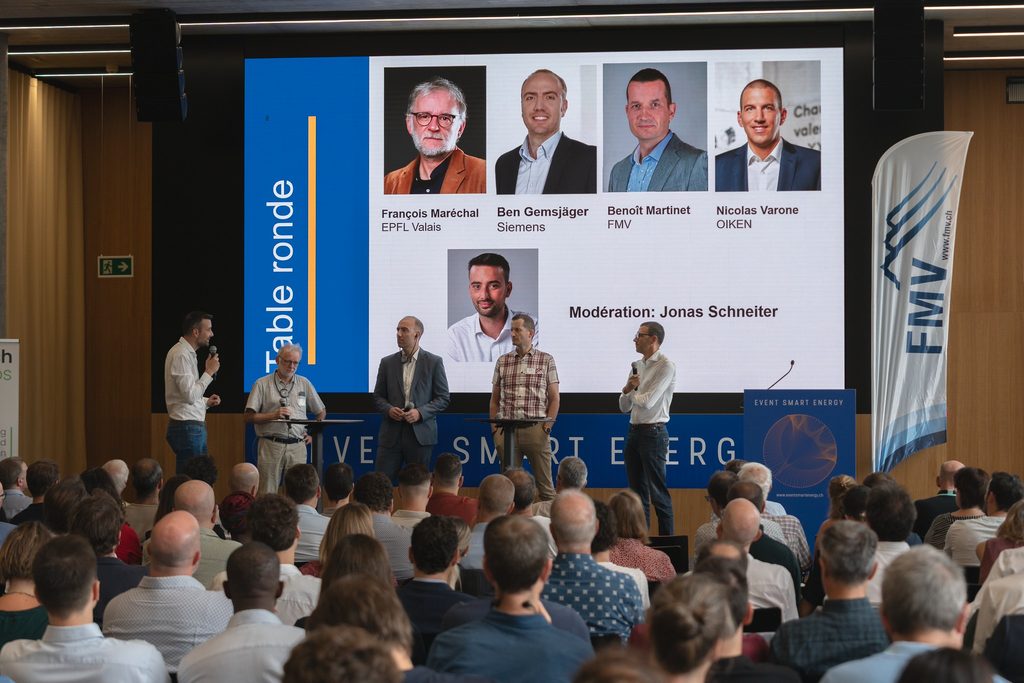
During the roundtable discussion held late in the morning and moderated by journalist Jonas Schneiter, four experts discussed the transformation of the electricity grid’s control system, which now operates on a second-by-second basis rather than a weekly one. François Maréchal (professor at EPFL Valais) highlighted the emergence of thousands of small-scale producers and consumers—such as electric cars and buildings—that could be utilized as batteries at the neighborhood level. Ben Gemsjäger (Siemens) cited concrete European examples, notably Germany, which has been integrating small-scale installations since 2024, while pointing out the lack of suitable software, such as next-generation SCADA systems.
Benoît Martinet (FMV) noted that large-scale hydropower projects, such as Nant de Drance, remain essential for ensuring grid stability, complementing decentralized generation. Nicolas Varone (OIKEN), for his part, presented the concrete progress made by his company, which already manages 4 megawatts of flexibility through a virtual power plant—a figure expected to reach 19 megawatts by the end of the year.
The four speakers agreed on the crucial importance of data—particularly through the replacement of meters—to enable more precise, real-time management of the grid. Finally, they all emphasized that the end user remains at the center of decision-making and that priority should be given to simple, easy-to-understand solutions, particularly through clear pricing structures.
The 17th edition has already been announced
Nearly 180 people attended this 16th edition of the Smart Energy Event, which we co-organized with The Ark Foundation, with support from FMV, EPFL Valais, Siemens, OIKEN, and HES-SO Valais-Wallis. The 17th edition has already been announced for August 26 and 27. The program will be announced early next year.
More details : Event Smart Energy – 27-28 août 2026